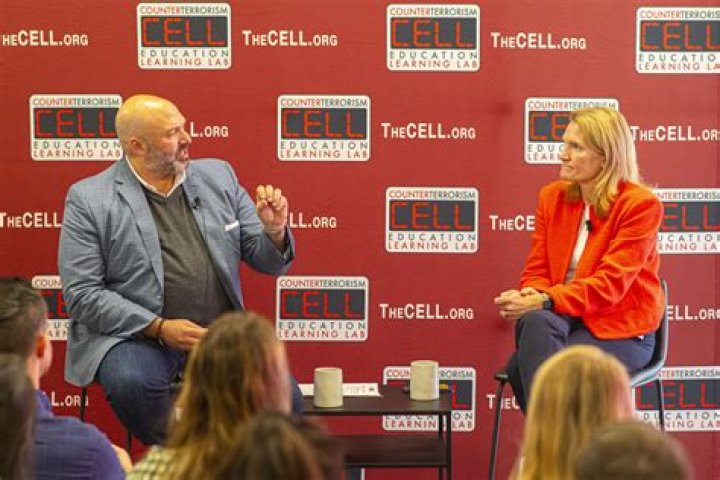
Sam Frank was an American artist known for his paintings, sculptures, and mixed-media works. He was born in New York City in 1923 and died in 2012 in Montclair, New Jersey. Frank's work is characterized by its use of bold colors, geometric shapes, and found objects. He often explored themes of identity, memory, and loss in his work.
Frank's work has been exhibited in museums and galleries around the world, including the Museum of Modern Art in New York City, the Whitney Museum of American Art, and the Tate Modern in London. He has been the recipient of numerous awards and honors, including a Guggenheim Fellowship and a National Endowment for the Arts grant. Frank's work is considered to be a significant contribution to American art, and he is widely regarded as one of the most important artists of his generation.
Frank's work is often inspired by his personal life and experiences. He was a Holocaust survivor, and his work often reflects the trauma and loss he experienced during that time. He was also a gay man, and his work often explores themes of identity and sexuality. Frank's work is deeply personal and moving, and it offers a unique perspective on the human experience.
Sam Frank Biography
Sam Frank was an influential American artist whose work explored themes of identity, memory, and loss. His unique style and use of materials made him a significant figure in the art world. Here are eight key aspects of his biography:
- Early Life and Influences: Born in New York City in 1923, Frank was influenced by the city's vibrant art scene.
- Holocaust Survivor: Frank's experiences as a Holocaust survivor deeply impacted his work and worldview.
- Abstract Expressionism: Frank's early work was influenced by Abstract Expressionism, but he later developed his own unique style.
- Found Objects: Frank often incorporated found objects into his work, giving them new meaning and context.
- Geometric Shapes: Geometric shapes were a recurring motif in Frank's work, representing structure and order amidst chaos.
- Exploration of Identity: Frank's work often explored themes of identity, both personal and collective.
- Memory and Loss: Frank's work frequently grappled with themes of memory and loss, particularly in relation to the Holocaust.
- Legacy: Frank's work continues to be exhibited and celebrated around the world, leaving a lasting legacy in the art world.
These key aspects of Sam Frank's biography provide a deeper understanding of his life, work, and artistic contributions. His experiences as a Holocaust survivor, his exploration of identity and memory, and his innovative use of materials all shaped his unique artistic vision. Frank's work continues to resonate with audiences today, offering insights into the human experience and the power of art to heal and transform.
Early Life and Influences
The early life and influences of Sam Frank played a crucial role in shaping his artistic style and career. Born in New York City in 1923, Frank was surrounded by a vibrant and influential art scene that greatly impacted his artistic development.
- Exposure to Artistic Movements: New York City in the early 20th century was a hub for artistic innovation and experimentation. Frank was exposed to various artistic movements, including Abstract Expressionism, Surrealism, and Cubism, which influenced his own artistic style.
- Artistic Mentorship: Frank studied under renowned artists such as Hans Hofmann and Fernand Lger, who provided him with guidance and support during his formative years. These mentorships helped Frank develop his artistic skills and refine his unique approach.
- Cultural Diversity: New York City's diverse population and international influences exposed Frank to a wide range of cultural perspectives and artistic traditions. This exposure broadened his artistic horizons and contributed to the eclectic nature of his work.
- Artistic Community: Frank was part of a close-knit community of artists in New York City, including Willem de Kooning and Jackson Pollock. These connections provided him with opportunities for collaboration, critique, and artistic exchange, further enriching his artistic development.
Frank's early life and influences in New York City laid the foundation for his artistic career. The city's vibrant art scene, artistic mentorships, cultural diversity, and artistic community played significant roles in shaping his unique style and artistic perspective.
Holocaust Survivor
The experiences of Sam Frank as a Holocaust survivor profoundly influenced his work and worldview, leaving an indelible mark on his artistic expression and personal philosophy. This facet of his life and its impact on his biography can be explored through several key aspects:
- Trauma and Resilience: Frank's experiences during the Holocaust exposed him to unimaginable trauma and loss, which he later channeled into his art. His work often grappled with themes of suffering, resilience, and the search for meaning in the face of adversity.
- Memory and Remembrance: The Holocaust remained a haunting presence in Frank's memory, and his art became a means of preserving the memory of those who perished. He created works that served as memorials to the victims and sought to keep their stories alive.
- Identity and Belonging: Frank's experiences as a Holocaust survivor shaped his sense of identity and belonging. He explored themes of displacement, alienation, and the search for a place to call home in his work.
- Artistic Expression as Healing: For Frank, art became a form of healing and catharsis. Through his work, he found a way to process the trauma he had endured and to give voice to the voiceless.
The Holocaust had a profound and lasting impact on Sam Frank's life and work. His experiences as a survivor informed his artistic vision, leading him to create powerful and evocative works that explored themes of trauma, memory, identity, and resilience. His art serves as a testament to the human spirit's ability to endure and find meaning even in the face of unspeakable suffering.
Abstract Expressionism
Abstract Expressionism, a prominent artistic movement in the mid-20th century, significantly influenced Sam Frank's early work. This style emphasized emotional expression, spontaneity, and the use of abstract forms and gestures. Frank's early paintings exhibited characteristics of Abstract Expressionism, such as bold brushstrokes, vibrant colors, and a focus on the physicality of the paint itself.
However, as Frank matured as an artist, he gradually moved away from the strict tenets of Abstract Expressionism. He began to incorporate found objects, geometric shapes, and personal symbolism into his work, creating a unique style that transcended any single artistic movement. This evolution is evident in works like "Elegy to the Spanish Republic" (1950), which combines abstract elements with collaged newsprint, and "The Survivor" (1966), which features geometric shapes and personal symbols that reference his experiences as a Holocaust survivor.
Frank's departure from Abstract Expressionism was a deliberate choice to create a more personal and meaningful artistic language. By incorporating diverse elements and exploring themes of memory, loss, and identity, he developed a distinct and powerful style that set him apart from his contemporaries. Understanding the connection between Abstract Expressionism and Sam Frank's biography sheds light on his artistic journey, the influences that shaped his early work, and the evolution of his unique artistic vision.
Found Objects
Sam Frank's use of found objects played a pivotal role in his artistic vision and personal narrative. By incorporating everyday items, discarded materials, and objects with personal significance into his work, Frank imbued them with new meaning and context, creating a unique and powerful artistic language.
Frank's use of found objects can be traced back to his early experiences as a Holocaust survivor. During the war, he witnessed the destruction and loss of countless lives and belongings. This experience instilled in him a deep appreciation for the value and fragility of objects, and he began to see them as carriers of memory and history.
In his artwork, Frank often juxtaposed found objects with abstract forms and vibrant colors, creating a dialogue between the personal and the universal. By elevating ordinary objects to the status of art, he challenged traditional notions of value and challenged viewers to reconsider the significance of the everyday. Through his work, Frank transformed found objects into symbols of resilience, loss, and the human experience.
Understanding the connection between Frank's use of found objects and his biography provides a deeper appreciation of his artistic intentions and the depth of his work. It highlights the importance of personal experience and memory in shaping an artist's perspective and the power of art to transform the ordinary into the extraordinary.
Geometric Shapes
Geometric shapes were a recurring motif in Sam Frank's work, serving as visual metaphors for structure, order, and stability amidst the chaos and trauma he experienced throughout his life. Frank's use of geometric shapes can be traced back to his early experiences as a Holocaust survivor, where he witnessed firsthand the . This experience left a lasting imprint on his psyche, and he often used geometric shapes to represent the search for order and meaning in the face of adversity.
In his artwork, Frank juxtaposed geometric shapes with organic forms and vibrant colors, creating a dynamic tension between structure and chaos. Geometric shapes provided a sense of stability and order, while organic forms and colors represented the fluidity and unpredictability of life. This interplay of geometric and organic elements reflected Frank's own experiences, as he sought to find balance and harmony amidst the turmoil of his past.
Frank's use of geometric shapes also extended beyond his personal experiences. He believed that geometric shapes had a universal appeal and could transcend cultural and linguistic barriers. Through his work, he sought to create a visual language that could communicate complex emotions and ideas to a wide audience. By incorporating geometric shapes into his art, Frank created a powerful and evocative body of work that continues to resonate with viewers today.
Understanding the connection between geometric shapes and Sam Frank's biography provides a deeper appreciation of the artist's intentions and the depth of his work. It highlights the importance of personal experience and memory in shaping an artist's perspective and the power of art to transform trauma and adversity into something meaningful and lasting.
Exploration of Identity
The exploration of identity was a central theme in Sam Frank's work, deeply connected to his personal experiences and broader historical events. Frank's art served as a means of examining and expressing his own identity as a Holocaust survivor, a gay man, and an artist.
His work often explored the complexities of personal identity, delving into themes of loss, memory, and the search for meaning in the face of trauma. Through his art, Frank sought to understand and reconcile the fragmented aspects of his own identity, giving voice to the marginalized and challenging societal norms.
Moreover, Frank's exploration of identity extended beyond the personal realm to encompass collective experiences. His work addressed broader issues of social and historical identity, reflecting on the impact of the Holocaust and the ongoing struggle for equality. Frank believed that art had the power to transcend individual experiences and speak to the shared human condition.
Understanding the connection between Frank's exploration of identity and his biography sheds light on the deeply personal and introspective nature of his work. It highlights the importance of personal experience as a driving force in artistic expression and the role of art in shaping and understanding our identities.
Memory and Loss
The exploration of memory and loss was a defining aspect of Sam Frank's artistic career, deeply influenced by his personal experiences as a Holocaust survivor. His work served as a powerful means to confront the trauma of the past and to give voice to the memories of those who perished.
- Confronting Trauma and Loss: Frank's art became a way for him to process and come to terms with the profound loss and suffering he endured during the Holocaust. Through his work, he sought to express the ineffable pain and emotions associated with such experiences.
- Preserving Memory: Frank's work served as a means to preserve the memory of the victims of the Holocaust. Many of his pieces incorporated artifacts and fragments from the concentration camps, transforming them into poignant reminders of the atrocities that occurred.
- Exploring the Fragility of Memory: Frank's art also delved into the complexities and fragility of memory. He explored how memories can fade, distort, or become fragmented over time, reflecting the challenges of grappling with the past.
- The Power of Art for Healing: For Frank, art became a therapeutic tool for healing and recovery. Through his creative process, he found a way to transform his personal trauma into something meaningful and cathartic.
The exploration of memory and loss in Sam Frank's work is a testament to the power of art to bear witness to history, to heal wounds, and to keep the memory of the victims of the Holocaust alive.
Legacy
The enduring legacy of Sam Frank's work is a testament to its profound impact on the art world. His unique style, powerful themes, and deeply personal narratives continue to resonate with audiences, ensuring his lasting influence in contemporary art.
Frank's legacy is evident in the numerous exhibitions and retrospectives of his work held in prestigious galleries and museums worldwide. His paintings, sculptures, and mixed-media pieces have been critically acclaimed and widely collected by discerning art enthusiasts. The continued demand for Frank's work speaks to its timeless appeal and enduring relevance.
Beyond its artistic merit, Frank's legacy extends to his role as an influential figure in the art community. His unwavering commitment to exploring challenging themes and breaking artistic boundaries has inspired generations of artists to push the limits of their own creativity. Frank's legacy as a mentor and educator has also left an indelible mark on the art world.
Frequently Asked Questions about Sam Frank Biography
This section addresses commonly asked questions about the life and work of renowned artist Sam Frank, providing concise and informative answers to enhance your understanding of his biography.
Question 1: What are the key characteristics of Sam Frank's artistic style?
Sam Frank's artistic style is characterized by its bold use of color, geometric shapes, and found objects. His work often explores themes of identity, memory, and loss, particularly in relation to his experiences as a Holocaust survivor.
Question 2: How did Frank's experiences as a Holocaust survivor influence his work?
Frank's experiences as a Holocaust survivor profoundly impacted his art, serving as a source of both trauma and inspiration. His work often grapples with themes of loss, memory, and resilience, bearing witness to the horrors he endured.
Question 3: What is the significance of Frank's use of found objects in his artwork?
Frank's use of found objects adds a unique dimension to his work, imbuing everyday items with new meaning and context. These objects often carry personal significance, serving as symbols of memory, loss, and the passage of time.
Question 4: How did Frank's artistic style evolve over time?
Frank's artistic style evolved significantly throughout his career, moving from early influences in Abstract Expressionism towards a more personal and symbolic approach. His later work incorporates a wider range of materials and techniques, reflecting his ongoing exploration of identity and the human experience.
Question 5: What are some of the major themes explored in Frank's work?
Frank's work delves into a range of profound themes, including identity, memory, loss, trauma, and resilience. His art often seeks to explore the complexities of the human condition, particularly in relation to his own experiences as a Holocaust survivor.
Question 6: How is Sam Frank's legacy preserved and celebrated today?
Sam Frank's legacy continues to be honored through exhibitions, retrospectives, and the preservation of his artwork in renowned museums and galleries worldwide. His work remains highly sought after by collectors and art enthusiasts, ensuring his lasting impact on the contemporary art landscape.
Summary: Sam Frank's biography is a testament to the power of art to transcend personal experiences and speak to the universal human condition. His unique style and unwavering commitment to exploring challenging themes have left an indelible mark on the art world, ensuring his legacy as a bedeutend and influential artist.
Transition to the next article section: To further delve into the life and work of Sam Frank, explore the following sections, which provide a comprehensive overview of his artistic journey and the key themes that shaped his creative vision.
Tips for Understanding and Appreciating Sam Frank's Biography
Exploring the life and work of Sam Frank offers valuable insights into the complexities of the human experience and the power of art to transcend personal trauma. To fully appreciate his biography, consider the following tips:
Delve into Historical Context: Understand the historical events that shaped Frank's life, particularly the Holocaust and its profound impact on his experiences and artistic vision.
Analyze Symbolism and Metaphor: Frank's work is rich in symbolism and metaphor. Pay attention to recurring motifs, such as geometric shapes, found objects, and colors, which convey deeper meanings and emotions.
Examine Personal Narratives: Frank's art often draws upon his personal experiences. Explore the ways in which his biography intersects with the themes and imagery in his work.
Appreciate Artistic Evolution: Frank's artistic style evolved over time. Trace the progression of his work, noting how his experiences and influences shaped his creative journey.
Engage with Critical Perspectives: Read critiques and analysis of Frank's work to gain diverse interpretations and expand your understanding of his artistic significance.
Visit Exhibitions and Galleries: Experiencing Frank's work firsthand provides a deeper appreciation for the textures, colors, and scale of his creations.
Attend Lectures and Workshops: Participate in events and programs that explore Frank's life and work, offering opportunities for further learning and engagement.
Reflect on Personal Resonance: Consider how Frank's experiences and artistic expressions resonate with your own life and experiences. This personal connection can enhance your appreciation for his work.
By following these tips, you can gain a deeper understanding and appreciation for the life and work of Sam Frank. His biography offers a powerful exploration of identity, memory, and the human spirit, leaving a lasting legacy in the art world and beyond.
Transition to the article's conclusion: Sam Frank's biography is a testament to the transformative power of art and its ability to transcend personal trauma and inspire generations.
Conclusion
Sam Frank's biography is a poignant exploration of the human experience, delving into themes of identity, memory, loss, and resilience. Through his unique artistic style and deeply personal narratives, Frank's work transcends the boundaries of individual experience, resonating with universal emotions and shared histories.
His unwavering commitment to exploring challenging themes and breaking artistic conventions has left an indelible mark on the art world. Frank's legacy as a survivor, an artist, and a witness to history continues to inspire and provoke, reminding us of the transformative power of art and its ability to heal, connect, and empower.
Discover Dana Bledsoe's Age And Uncover Enriching Insights
Uncover The Hidden Truth: The Real Name And Inspiring Journey Of Duckie Thot
Unlocking The Secrets Of Boost Juice Net Worth: A Journey Of Discoveries
Sam Frank Height Age Weight Measurement Wiki & Bio
Sam Frank Consortium for Verification Technology
Sam Frank Bio, Age, Siblings, TikTok, Single, Height, Instagram, Wiki